The removal process
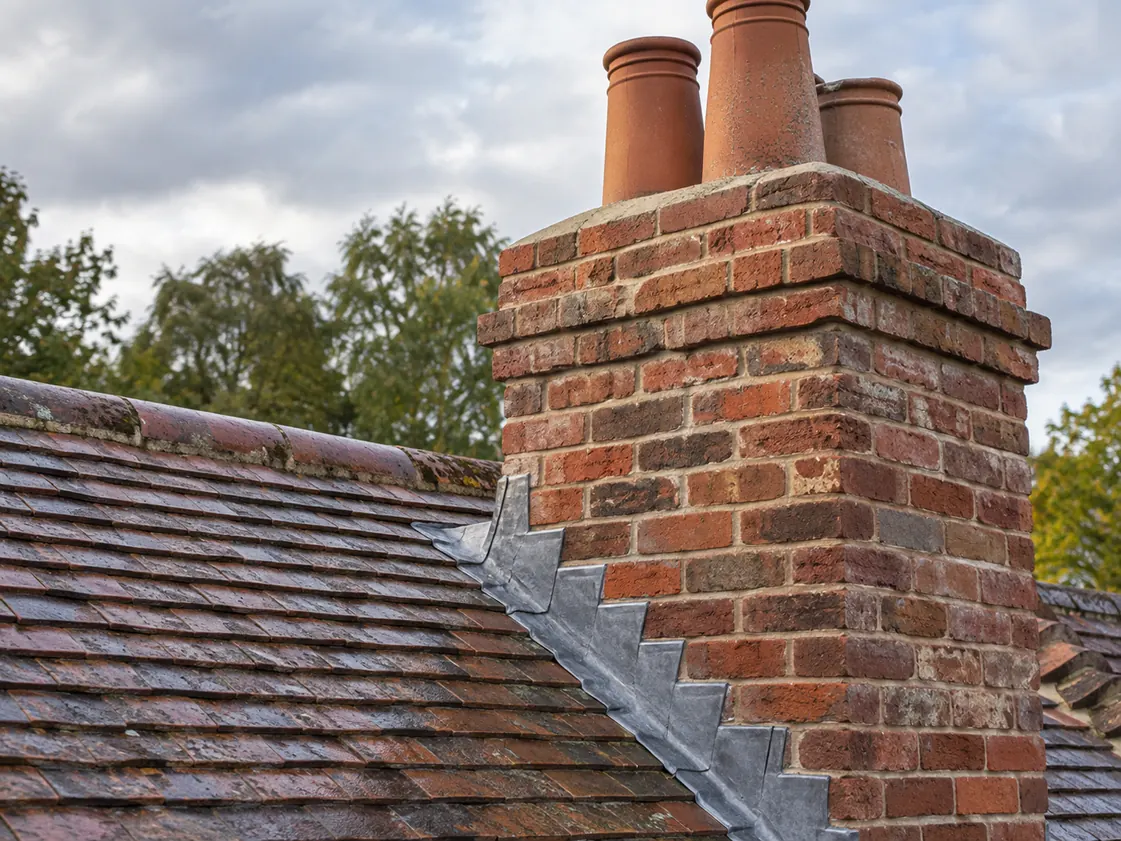
Chimney removal can be carried out to the roofline or below it, depending on your needs and any structural requirements. The stack is carefully dismantled brick by brick, and the resulting gap in the roof is bridged with new rafters, sarking, and underlay. We then slate or tile the area to match the rest of the roof, ensuring a watertight and visually consistent finish.
Removing a chimney requires careful planning to ensure the remaining structure is supported correctly. It is a job for experienced professionals who understand both the masonry and the roofing aspects of the work.
Why remove a chimney?
Homeowners often choose removal to eliminate persistent leaks that are difficult to cure, or to remove a structural risk. It can also free up space inside the home if the breast is removed as well. By removing a redundant stack, you remove a major 'weak point' in the roof, reducing your long-term maintenance costs and simplifying the roof's geometry.
Once removed and the roof made good, you no longer have to worry about repointing, lead work, or flaunching in that area. We ensure the new section of roof is fully integrated and insulated to match the current standards.
How a stack is taken down
Removal starts at the top, with the pots and flaunching lifted away first, then the masonry taken down course by course to below roof level. The opening is then covered: new timbers, underlay and matching slates or tiles make the roof good so the scar disappears into the existing covering.
Access and safety shape the job as much as the masonry itself. Scaffolding is usually required, and the work is planned so the house is never left open to the weather overnight. Our chimney removal cost guide explains the factors that shape the quote.
Chimney removal questions
Do I need a building warrant for chimney removal?
In Scotland, removing a chimney stack is often considered a structural change that may require a building warrant. You should always check with your local council's building standards department before starting any removal work.
Ask for a written quote
Call 07508 571291 (Mon–Fri 7:30am–6:00pm, Sat 8:00am–12:00pm) or send your details through our contact page.