
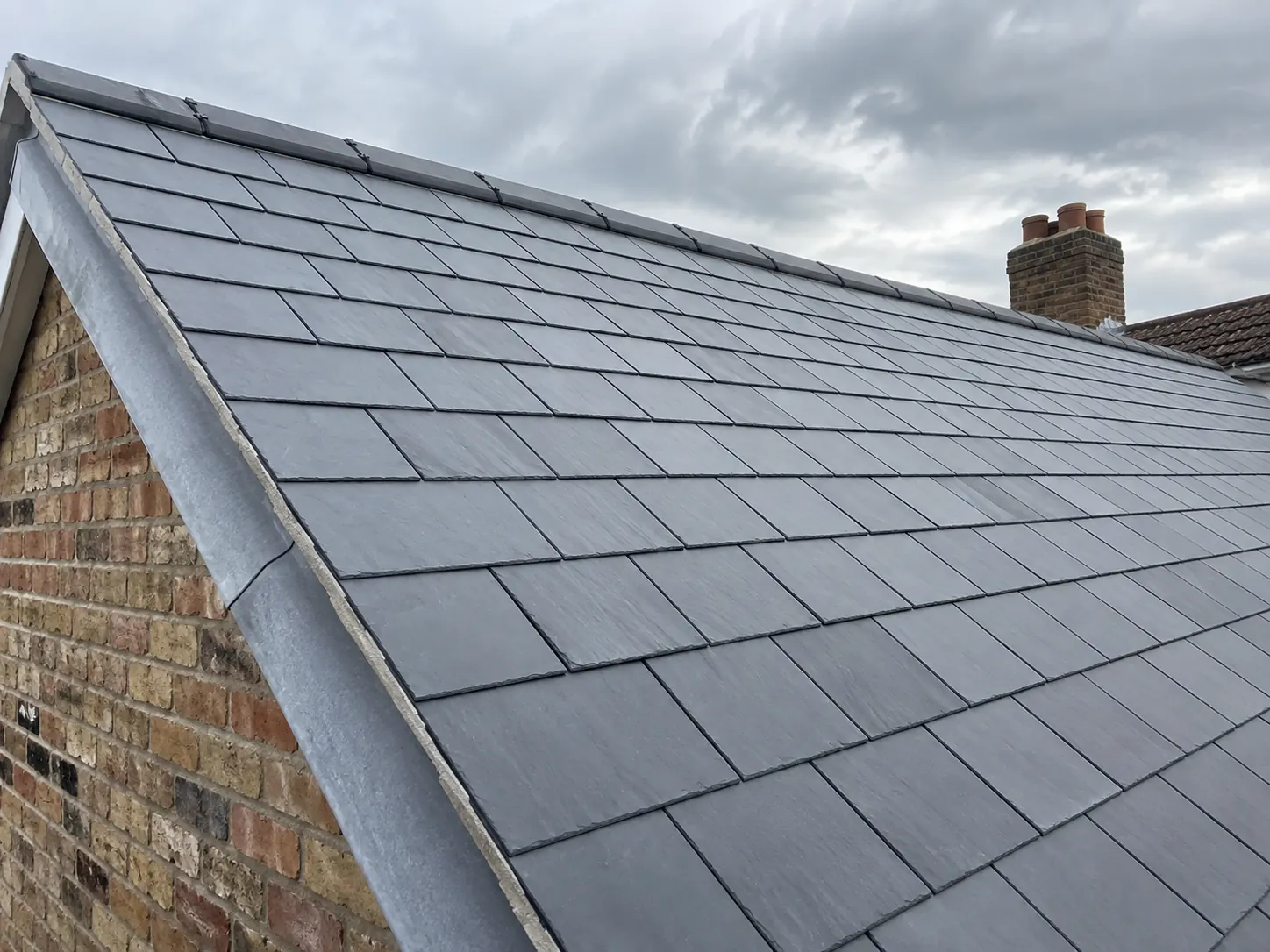
What is roof tile replacement?
Roof tile replacement involves stripping away the old, worn-out tiles, underlay, and battens to reveal the roof's timber structure. This process allows for a thorough inspection of the rafters and sarking before new, high-quality materials are installed. It is not just about the visible tiles; a successful replacement ensures the entire roofing system, including the waterproof membrane and ventilation, is working correctly to keep your home dry and well-insulated.
Unlike minor repairs that address specific leaks, a full replacement provides a fresh start for your roof. It eliminates the risk of underlying issues, such as rotten battens or perished underlay, which can cause persistent problems even if the tiles themselves look sound. By renewing the whole surface, you ensure that the overlaps are correct and that all junctions, such as valleys and chimneys, are properly integrated with the new covering.
Concrete vs Clay roof tiles
When choosing tiles for your replacement, the two primary options are concrete and clay. Concrete tiles are highly popular due to their strength, uniformity, and the wide variety of colours and profiles available. They are often more cost-effective and can be designed to mimic the appearance of traditional slate or clay, making them a versatile choice for modern and older homes alike. Their interlocking design also helps with quick installation and excellent weather resistance.
Clay tiles, on the other hand, offer a timeless, natural aesthetic that many homeowners prefer, especially for traditional or period properties. They are known for their colour fastness, as the hue is baked into the clay itself and does not fade over time. While they can be more expensive and require a slightly different installation approach, their longevity and classic look make them a valuable investment. Both materials are designed to withstand the harsh conditions of the Fife coast, provided they are installed to the correct standards.
When to consider a full replacement
It can be difficult to know when a tiled roof has reached the end of its life. Common signs that a full roof tile replacement is needed include tiles that are cracked, crumbling, or sliding out of place across multiple areas of the roof. If you find yourself calling for repairs every winter, it may be more cost-effective in the long run to invest in a replacement rather than continuing to patch an ageing system. Persistent dampness in the loft or water stains on the ceiling are also clear indicators that the underlay has failed.
Another factor to consider is the age of the roof. Even where the tiles themselves appear intact, the fixings and underlay beneath them deteriorate over time, and an older covering can hide failing nails or perished felt. A professional survey can help determine if the structure is still sound or if the time has come to renew the covering to prevent damage to your home.
The role of ridge tiles and detailing
Ridge tiles are the curved or angular tiles that sit along the very peak of your roof. They play a critical role in sealing the junction where two slopes meet, preventing rain from driven wind from entering the roof space. Traditionally, these were bedded in mortar, but modern installations often use 'dry ridge' systems, which use mechanical fixings for greater durability and reduced maintenance. Proper installation of ridge tiles is essential, as they are often the most exposed part of the roof and the first to suffer in high winds.
Detailing also includes the 'verge'—the edge of the roof at the gable end—and the valleys where two roof sections meet at an internal angle. These areas are vulnerable to leaks if not handled correctly. Using modern dry verge systems can protect the edge of the tiles from wind uplift and water ingress without the need for mortar that can crack and fall out over time. High-quality lead work or modern GRP valley liners are also used to ensure that water is channeled safely into the gutters.
Common questions about tiled roofs
What are ridge tiles?
Ridge tiles are the specialized tiles that cap the very peak of a roof where two slopes meet. They are designed to sit over the gap left by the main roof tiles or slates, sealing the top of the roof against wind and rain while completing the look of the property.
What are roof tiles made of?
Most modern roof tiles are made of either concrete or clay. Concrete tiles are popular for their durability and range of shapes, while clay tiles are often chosen for traditional properties or where a specific natural finish is required. Both materials are designed to withstand decades of exposure to the elements.
Choosing a tiled covering? Compare concrete and clay roof tiles, including their profiles, fixing requirements and the checks needed before changing tile type.
Ask for a written quote
Call 07508 571291 (Mon–Fri 7:30am–6:00pm, Sat 8:00am–12:00pm) or send your details through our contact page.