Need this sorted?
Need help with emergency roof repairs? Get a quote from Rowan Roofing.
First, keep everyone safe
Never climb onto a roof after high winds. Wet slates and tiles are slippery, damaged sections can move underfoot and loose material can still fall. Keep people and cars away from anything that looks unstable, especially below chimneys and gable edges. If a chimney stack looks like it is leaning, keep clear of it entirely.
What to check from the ground
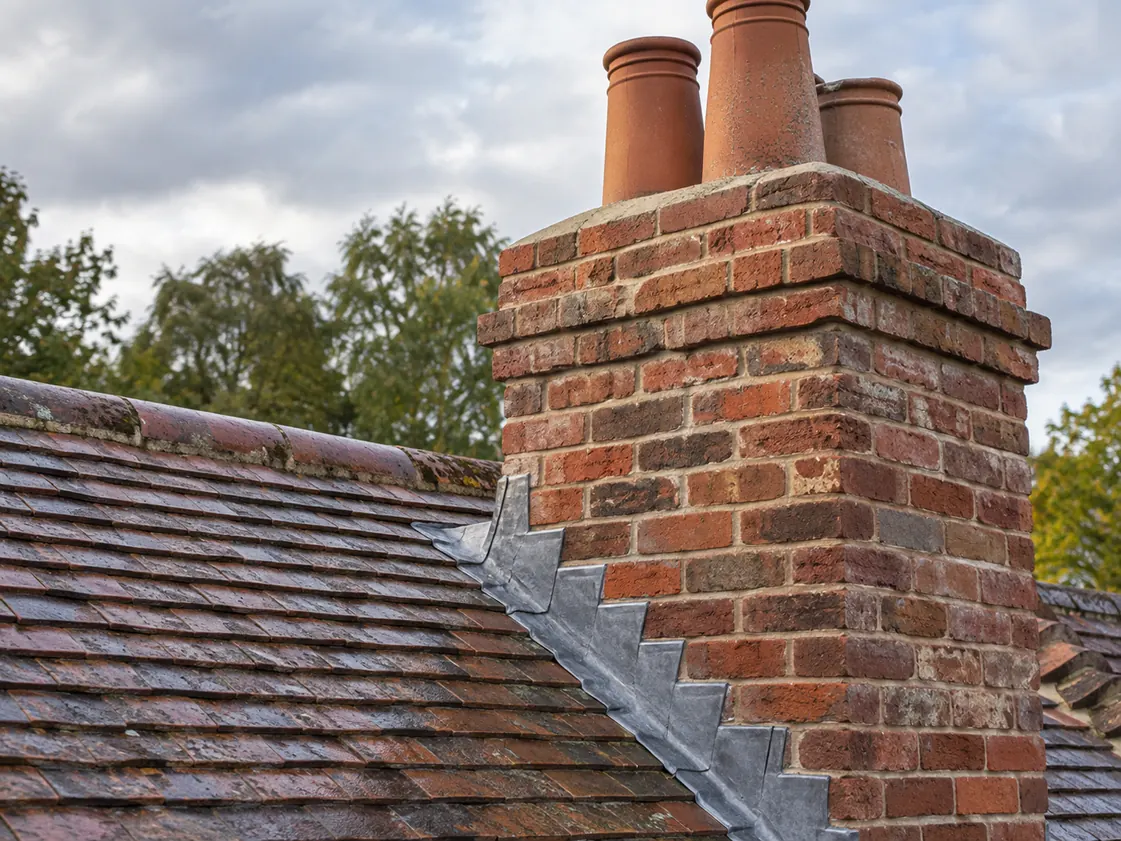
Walk around the house in daylight and look for gaps in rows of slates or tiles, pieces lying in the garden, ridge tiles that have lifted or gone, lead peeled back from a chimney or wall, and gutters that have pulled away or are sagging. Binoculars help. Note what you see and where.
What to check inside
If the loft is safe to enter, look for daylight showing through, wet insulation, drips from the underside of the roof or damp timber. In rooms below, look for new stains on ceilings, bubbling paint or water running down walls near chimneys. Put buckets under drips and move valuables and electrical items out of the way.
Emergency roof repairs
- Leaks, storm damage, unsafe chimneys and lifted flat roof edges.
- Contact form available for enquiries outside our stated hours.
Temporary steps while you wait
Inside the home you can catch water, lift carpets and ventilate damp rooms. Covering a roof with sheeting is a job for a roofer, not a homeowner on a ladder. Dated photos of the damage are useful if you intend to speak to your insurer.
The damage we see most after high winds
Slipped or missing slates where old nails have corroded. Ridge and hip tiles lifted where the bedding mortar had weakened. Lead flashings peeled back by gusts. Verge edges at gables loosened. Gutters and fascias pulled away. Flat roof edges and coverings lifted at a corner.
Many of these are a sign of age as much as of weather. A storm often finds the weakest point on a roof that was already due some attention.
Storm damage roof repair
Storm damage roof repair starts with a safe assessment of the covering and the details exposed to wind, including ridges, verges, flashings and gutters. The repair depends on what has moved or broken: a small number of slates may be refixed or replaced, while a damaged ridge or lifted lead needs its own repair method. The inspection also checks adjacent areas, since a visible gap can be part of a wider failure.
Do not attempt a temporary repair from a ladder or cover the roof yourself. If water is entering, catch it indoors and move belongings away while waiting for a roofer. Our roof inspections page explains what an inspection can cover.
A roof blown off
If part or all of a roof appears to have been blown off, keep everyone well away from the building and any debris. Do not enter rooms beneath an unstable roof. Contact the emergency services if there is immediate danger, then arrange a professional assessment when it is safe.
A roof that has lost a large section may expose the structure and interior to further weather. A roofer can assess what remains, identify safe temporary measures and explain the repairs needed; the extent cannot be judged reliably from a photograph alone.
Repair or something bigger?
Isolated slipped slates, a section of ridge or a flashing can usually be repaired on their own. If the inspection finds widespread failed fixings or a covering that is breaking up across the roof, we will say honestly whether ongoing repairs still make sense or whether replacement should be considered. Our roof replacements page covers how to weigh that up.
Insurance claims after storm damage
Policies differ, and insurers may assess sudden storm damage differently from gradual wear. We cannot advise on your cover or guarantee an outcome. Check your policy, notify your insurer promptly and ask what evidence or steps they require before repairs proceed. Dated photographs, a description of the damage and a written inspection or quote may help you explain the situation, but the insurer decides what applies under its terms.
Frequently asked questions
Can one slipped slate cause a leak? Yes. It exposes the felt or boards beneath, and the next heavy rain can get through, so it is worth fixing promptly.
Should I wait for the weather to settle before calling? Get in touch as soon as you notice damage, so the job can be planned for the first safe opportunity.
Do you repair chimneys and lead after storms? Yes, chimney and lead work is part of what we do. See our chimney and lead work page.
For an urgent problem, our emergency roof repairs page explains how to reach us and what details to send.
Speak to a family roofing firm
Rowan Roofing is family-run, based in Cardenden, Fife, with 16 years trading under our own name and over 50 years of roofing experience in the family. We cover Edinburgh, Perth and Dundee and will travel up to 50 miles for the right job. If storm damage to your roof is on your mind, we are happy to look at the roof and put our advice in a written quote.
Call 07508 571291 on weekdays from 7:30am to 6:00pm or Saturday mornings from 8:00am to 12:00pm, or send the details through our contact page.
Want a professional to handle it?
Frequently asked questions
Should I wait for the weather to settle before calling?
Get in touch as soon as you notice damage, so the work can be planned for the first safe opportunity. Describe what you can see from the ground and whether water is getting in.
Can a roof blown off be repaired, or does it need replacing?
It depends on how much of the covering and structure is affected. A roofer needs to assess what remains before advising; the extent cannot be judged reliably from a photograph alone.
Will my insurance pay for storm damage to my roof?
Policies differ, and insurers may treat sudden storm damage differently from gradual wear. Check your policy and notify your insurer promptly; the insurer decides what applies under its terms.
Is it safe to stay in the house after storm damage?
If a chimney looks unstable, part of the roof has come away or water is near electrics, keep clear of the affected rooms and the area below the damage, and seek advice before using the space.
If you are contacting your insurer, read roof insurance claims for safe evidence gathering and questions to check against your own policy.
Related services
Covering Edinburgh, Perth and Dundee.